Before the spring weather leaves us entirely and the full heat and humidity of summer is upon us, I wanted to pull together a post for a Springtime yoga sequence.
WHY A SPRING PRACTICE?
Instinctively we know that our bodies are influenced by our environment, and that individual bodies carry unique dispositions that respond differently to external factors. Heat and humidity can feel amazing to some bodies, and agitating and uncomfortable to others. Cold weather can make us feel slow and stiff, but it can also feel invigorating or balancing to some.
In the spring, particularly in the Northeastern U.S., the static cold of winter shifts as temperatures warm. As snow mounds melt, lakes and rivers recharge and fields reanimate with greenery. The dynamic season of rainstorms, buds and blooms can transform landscapes overnight and as such, growth and expansion are key qualities of this time.
Our yoga practice can help balance out and channel spring’s energy if we know how to work with it, helping us to wake up from our winter hibernation, release stuck energy, and detoxify.
MERIDIANS
We can employ Eastern perspectives of the body, particularly that of Traditional Chinese Medicine (TCM), to create a practice well-suited to spring. Much like ayurveda, the sister science of yoga, TCM utilizes the idea of qi (chi) as an essential lifeforce in the body. It’s what yogis call prana. Qi, along with other fluids like blood, sweat, lymphatic fluid are subject to imbalances (excess or deficiency) and can be influenced by emotions, environmental conditions, diet, and activity.
TCM maps the body out along meridians, or channels, that move qi around and correspond to major organ systems, bodily functions and emotions. Meridians are what acupuncture practitioners attempt to influence with needles (and also what acupressure points draw from) in order to get these channels unstuck so that energy can move freely through the body. While these concepts can feel inaccessible and unfamiliar, slowly, Western medicine is uncovering more about fascia (our connective tissue) and even identifying “new” organs that may help bridge Eastern and Western understandings of the body. It is my belief that this research will help us understand how a bunch of little needles strategically placed on our skin can possibly influence our internal systems so deeply. But, I digress.
LIVER & GALLBLADDER
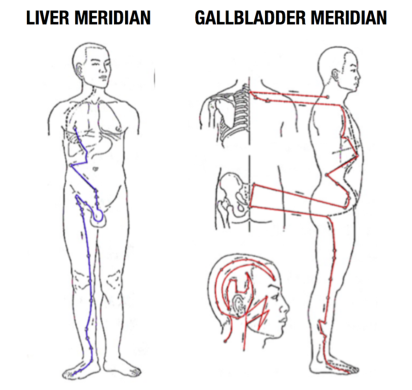
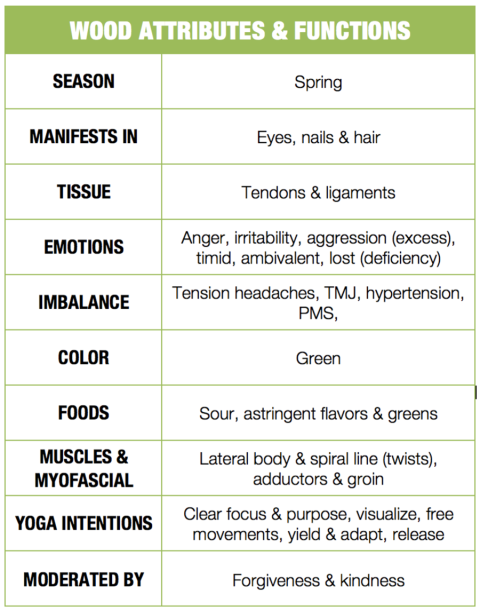
Springtime is associated with the wood element in TCM (think growth and expansion), which corresponds to the liver (yin organ) and gallbladder (yang organ) meridians. In TCM, the liver rules the flow of qi through the body and also stores, filters, detoxifies and tonifies the blood.
Wood energy is about the execution of goals, leadership, competition, upward, forward movement and unencumbered movement, and deriving strength from flexibility. Those with liver imbalance can be angry and overly-assertive, aggressive or judgemental. There can be a rigidness and workaholic-aspect to those with too much of this energy. Type-A personalities often exhibit these traits, no doubt exacerbated by our work-centric culture in a way that spurs imbalance. Spring provides a great opportunity to shed old energy, detox, and bring some ease into life with our yoga practice.
SPRING TIME YOGA FLOW
This spring, I have enjoyed playing with wood energy themes in my practice, and have been introducing them into my Intermediate class on Monday evenings, where we have more time to explore different yoga modalities.
A spring-inspired sequence is included below. Take part or all of it to bring some seasonality into your practice. I also encourage you to check out this sequence created by Tiffany Cruikshank at Yoga Medicine, where I am completing my 500-hour teacher training. There’s lots of good stuff on the Yoga Medicine site to advance your practice or experiment with something new.
Meditation
Seated on a block or cushion with your eyes closed, visualize your breath moving through your torso, and throughout your body. Cultivate a full, but easy breath without holding at the top or bottom of the breath cycle. Identify an intention for your time on the mat.
Myofasical release
Use tennis balls:
- Glut Med
- Glut Min
- TFL
- Serratus anterior
- Upper trapezius
- Adductors
Sequence
Integration
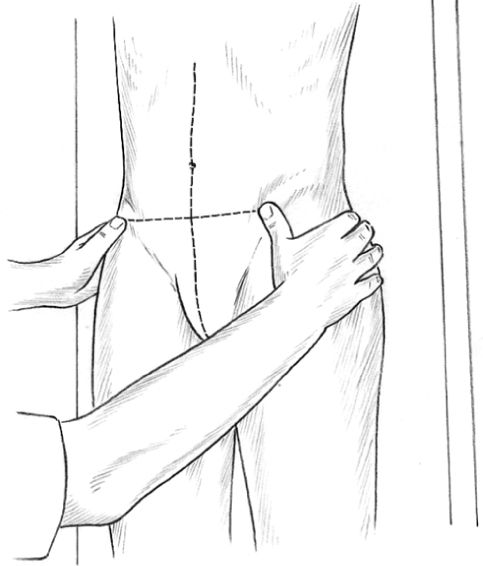
- Banana-asana – laying on your back, palpate your hip bones (ASIS). Try to keep them level as you swing your ankles and shoulders to one side. Option to cross one ankle over the other and bind your arms overhead. Breath freely into side body.
- Hug knees in, rock gentle side to side to massage low back. Rock n’roll to table top
- Cat/Cow: noticing spine articulation with intention to bring freedom and movement to the joints
- Table Top taps: keep pelvis stable (ASIS points level):
- Inhale as you extend your right foot back (bird-dog)
- Pivot toes toward the ground, and exhale as you slowly tap your right foot to the right, activating your outer hip.
- Inhale the leg back and exhale to step the foot between your palms. Inhale leg back to bird-dog and repeat 2x, moving fully with your breath.
- Repeat on left side.
- Lift to downward dog, walk slowly forward to rag doll
Sun Salutations
- Walking Sun Salutation A: encourages space & growth through side body
- From downward dog, lift right leg on the inhale
- Exhale as you step right leg forward and tap back knee down.
- Inhale, Lift arms overhead
- Exhale to forward fold at top of mat
- Inhale halfway / exhale fold
- Inhale arms up to standing
- Exhale fold / Lift halfway on inhale
- Exhale stepping right leg back and tap knee, Inhale lift arms
- Downward dog and breathe out
- Inhale forward to plank, exhale to chaturanga
- Repeat with left leg
- Sun Salutation B with crescent lunge on inhale, high twist on exhale, reverse high twist on inhale, warrior 2 to opposite wall on exhale, reverse on inhale, exhale vinyasa (open up spiral line and move freely)
- Child’s pose, with thread-the-kneedle, optional bind
Flow
- Take this sequence through a flow, with one breath, one movement. Work on moving the body freely through these big shapes that move the body in opposing directions and help open the lateral body: Crescent lunge (inhale) – airplane/dekasana (exhale) – 5-pointed star (inhale) – opposite extended side lunge (exhale) – reverse warrior (inhale) – half moon tease (exhale) – reverse warrior (inhale) – windmill to easy twist (exhale) – top arm backstroke (inhale) – downdog (exhale) (Repeat opposite side)
Balance Postures
- Vashi flosses/Vashi-vinyasa: High plank – rotate heels to left for vashistasana. Bend top knee and place foot in front of body, with toes pointing perpendicular to body. Flow: lower hips on the inhale, lift hips on exhale with arm extending overhead.
- Lizard lunge, optional bind
- Shift back to runner’s lunge, slowly shift into standing split, keeping the hips square and lighting up both gluts and the outer hip of the standing leg. Step to forward fold.
- Utkatasana twist – padangustasana (repeat entire sequence on other side)
Walking balance sequence:
- Dancer (standing on right leg) At back of mat, step right foot forward and come into dancer for several breaths.
- As you shift out of dancer step your left foot forward and shift into Eagle pose standing on the left leg (right leg over the left, right arm under the left).
- Unwind out of eagle and step right foot forward, balancing into Tree pose (standing on right leg)
- Forward fold — vinyasa Repeat opposite side
Floor
- Bridge / Wheel with block squeezed between thighs (adductor engagement)
- Gomukasana –> seated twist
- Supine Figure 4 –> falling figure 4
- Viparita karani
- Savasana
 Discover Your Yoga